DHL Express Shipment Protection for IRS Filings — Worth It?

Key Takeaways
- DHL's "Protect Your Shipment" is document extended-liability (declared-value) insurance — it reimburses the value of a lost or damaged parcel and defaults to off
- For a Form 5472 + pro forma 1120 envelope the insurance is largely pointless: the contents are reproducible, so the declared value is just the cost of reprinting, which standard liability already covers
- Insurance does NOT cover the $25,000 §6038A penalty — that risk is about filing on time, not about lost paper, and the two are unrelated
- What actually protects your filing is §7502 timely-mailing proof: a dated pickup record (your postmark), the tracking number, and signature/delivery confirmation
- Tick the box only if a few dollars buys you peace of mind; either way, always save your tracking and delivery evidence — that is the protection that matters
The Upsell at Checkout: What "Protect Your Shipment" Is
Near the end of booking a DHL Express shipment, after the addresses and the package details, DHL offers an optional add-on it markets as "Protect Your Shipment." In the video the presenter describes it plainly: it's a "document extended liability" service — in other words, declared-value insurance. If your envelope is lost or damaged in transit, DHL compensates you up to the value you declared, above the small default liability that comes built into every shipment.
The presenter is refreshingly honest about it. He frames the add-on as "more like a premium service" that helps you "sleep better," and he points out that the screen defaults to opting out — you have to actively choose it. His verdict for a tax-document envelope is a shrug: "you can click it, or you can not select it, doesn't really matter."
That casual verdict is correct, but it's worth understanding why, because the instinct to protect a shipment carrying a $25,000-penalty filing is strong. The thing to grasp first is what the product actually insures. Declared-value coverage reimburses the monetary value of the contents if the parcel disappears. It does not make the parcel more likely to arrive, it does not get it there faster, and — crucially — it has nothing to do with whether the IRS treats your filing as on time. It is a money product, not a delivery guarantee and not a filing safeguard.
Why Insurance Logic Breaks Down for Reproducible Documents
Insurance exists to cover loss you cannot otherwise undo. You insure a laptop, a piece of jewelry, or a one-of-a-kind original because if it vanishes, it is gone and the only remedy is money. Your IRS package is the opposite kind of cargo. The contents are a printed pro forma Form 1120 and Form 5472 — documents you generated from fillable PDFs and can regenerate at will.
Think about what is physically inside the envelope and what it would cost to replace. If DHL lost the parcel, you would reprint the same forms from the same files, sign them again, and send a new package. The replacement cost is a few sheets of paper, some toner, and another shipping fee. There is no irreplaceable original in there. A signed tax form is not a bearer instrument; its value does not live in that specific piece of paper.
This is the core reason the add-on "doesn't really matter" for this use case. Declared-value insurance pays you the declared value of lost contents — but the honest declared value of a reproducible document set is essentially zero, or at most the cost of reprinting. Even DHL's standard, no-charge default liability for documents typically covers that trivial amount already. Paying extra to raise a reimbursement ceiling you will almost certainly never hit, on contents you can recreate for the price of a print job, buys you very little. The math simply doesn't favor the upsell when the thing at risk can be re-printed and re-filed.
What Actually Protects You: §7502 Proof, Not Declared Value
Here is the part that matters, and it is the part the insurance add-on has nothing to do with. The real risk in mailing Form 5472 from abroad is not that your paper goes missing — it's that the IRS doesn't treat your filing as timely. Under IRC §7502, the "timely mailing as timely filing" rule, your filing date can be the date you handed the package to the courier rather than the date the IRS receives it. But §7502(f) only extends that treatment to designated Private Delivery Services, and only to specific qualifying service tiers, and only when you can prove the date the shipment was given to the carrier.
So the thing that genuinely protects your filing is documentary proof, and it comes from features that have nothing to do with declared value:
A dated drop-off or pickup record — this is your §7502 "postmark," establishing your filing date even if delivery takes a week. The tracking number, so you (and the IRS, if it ever comes up) can confirm the package moved and arrived. And signature confirmation or a timestamped delivered scan, proving the IRS actually received it.
Notice that none of these is the "Protect Your Shipment" box. Two of them — a dated record and tracking — come standard with an Express service. Signature confirmation is a separate add-on covered elsewhere in this series, and it is the one worth your attention. If you are going to spend a few extra dollars on any option at this screen, spend it on proof of delivery, not on insurance against a loss you can simply reprint your way out of.
Reading the "Penalty" Comparison Correctly
The video gestures at weighing the small fee against "the penalty and all that," and that comparison is easy to misread in a way that leads to the wrong conclusion. The tempting but incorrect reading is: "Form 5472 carries a $25,000 penalty under §6038A, so I should buy insurance to be covered against that." Declared-value insurance does not cover that penalty. It never will. The two things are unrelated — one reimburses lost paper, the other is a statutory fine for not filing required information about a foreign-owned U.S. disregarded entity.
The correct reading is psychological, and the presenter frames it exactly that way — it helps you "sleep better." When the downside scenario in your mind is measured in tens of thousands of dollars, a few extra dollars for peace of mind feels like rounding error. If ticking the box quiets the worry and lets you stop second-guessing the shipment, that is a perfectly legitimate reason to tick it. Just be clear with yourself about what you are buying: comfort, not a financial hedge against the IRS.
There is a subtler trap here too. Some filers tick the insurance box, feel "covered," and then neglect the things that actually matter — they never save the tracking number or the drop-off receipt. That is precisely backwards. A lost-parcel payout worth a few dollars is useless if you cannot show the IRS you filed on time. Solid §7502 proof, by contrast, protects you completely even if you skipped the insurance entirely. The high stakes of §6038A are an argument for better proof, not for more insurance.
A One-Minute Decision Rule
Put together, the decision takes well under a minute, and there is genuinely no wrong answer — which is why the video treats it as a shrug. The mistake is never which box you tick; it is mistaking this box for the protection that counts.
Skip the add-on when, as in almost every IRS filing, the only thing in the envelope is your pro forma 1120, your Form 5472, and any required attachments. The declared value is the cost of reprinting, the standard default liability already covers that, and you can re-file in an afternoon if the worst happens. Spend that attention instead on confirming you chose a qualifying §7502(f) service tier and on capturing your dated pickup record.
Tick the add-on only if a few dollars genuinely buys you calm, or in the uncommon case where you've bundled something of real value — an original document you can't easily replace — into the same parcel. Even then, the insurance protects that item's value, not your filing.
Whatever you decide on the insurance line, treat these as non-negotiable: keep the dated drop-off or pickup receipt, save the tracking number, and confirm delivery — ideally with signature confirmation. Those are the artifacts that satisfy §7502 and let you answer the IRS if it ever asks whether you filed on time. For the deadline, the reasonable-cause rules, and the full step-by-step on getting Form 5472 to the Ogden PIN Unit, see /guides/mail-form-5472-to-irs. The remaining booking screens — package options, signature on delivery, and capturing your records — are walked through one by one in the Form 5472 video pack; you can unlock the full set at /unlock-videos if you'd like to follow along on screen.
Frequently Asked Questions
Does DHL's shipment protection replace my Form 5472 if it gets lost?
No. Extended liability is a financial reimbursement product, not a re-filing service. It might pay you the declared value of a lost parcel, but it cannot stop the IRS clock or recreate your forms. Because the forms are reproducible, the practical remedy for a lost package is to reprint and re-send — and your §7502 proof of timely mailing, not the insurance, is what protects the filing itself.
Is the optional protection worth the extra fee for a low-value paper filing?
Usually not on financial grounds. Your pro forma 1120 and Form 5472 are worth essentially the cost of reprinting, and DHL's standard default liability for documents typically covers that already. The only sound reason to add it is comfort — if a few dollars lets you stop worrying, that is a fair trade. It is not, and cannot be, a hedge against the $25,000 §6038A penalty.
If insurance doesn't protect my filing, what does?
Documentary proof under IRC §7502. Keep the dated drop-off or pickup record (which acts like a postmark and sets your filing date), save the tracking number, and capture delivery confirmation — ideally a signature. Make sure you also selected a qualifying §7502(f) Private Delivery Service tier, since only designated services and tiers get timely-mailing treatment.
Why does the protection option default to "off"?
Because it is an opt-in insurance add-on, not part of the core shipping service. DHL presents it as an extra you actively choose, so if you do nothing you simply are not buying it. Your shipment still ships normally with the standard default liability and full tracking — none of the protections that actually matter for an IRS filing depend on this box.
IRS Form 5472 Instructions
Official IRS source on irs.gov
Listen on Spotify
Money & Tax Talk with Rippa — 5/5 rating
Never miss an IRS deadline
Get free email reminders for Form 5472, state annual reports, quarterly estimated tax, and OBBBA rule changes — built for foreign-owned LLC owners. No spam. Unsubscribe anytime.
We respect your privacy. No spam, ever.
Need to file your foreign-owned LLC return?
Skip the CPA bill. Our guided wizard builds your IRS-ready filing package, step by step.
Includes its walkthrough video pack
Start filing →
Ask the AI tools, free
Tax Return Drafter, Catch-Up Planner, Form Reviewer, IRS Notice Decoder — purpose-built AI tools, no signup needed.
Free tier · BYOK Anthropic/OpenAI for power use
Browse tools →
Starting your foreign-owned LLC?
Vetted partners we use ourselves: doola & Firstbase for formation, Mercury for banking, Alohi for IRS faxing.
No-fluff recommendations, no Northwest
See partners →
More on Form 5472 & Foreign-Owned LLCs
 1:45
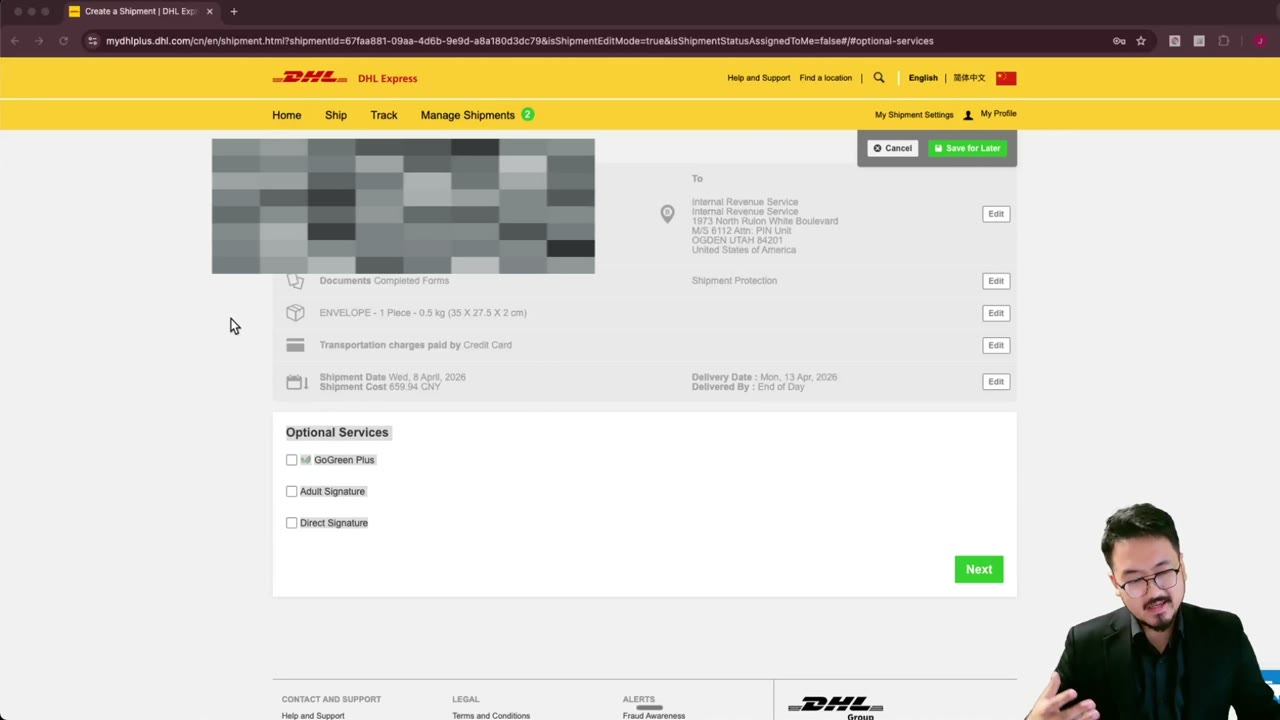
1:45DHL Express Signature Confirmation — Worth Paying for on IRS Filings?
 1:45
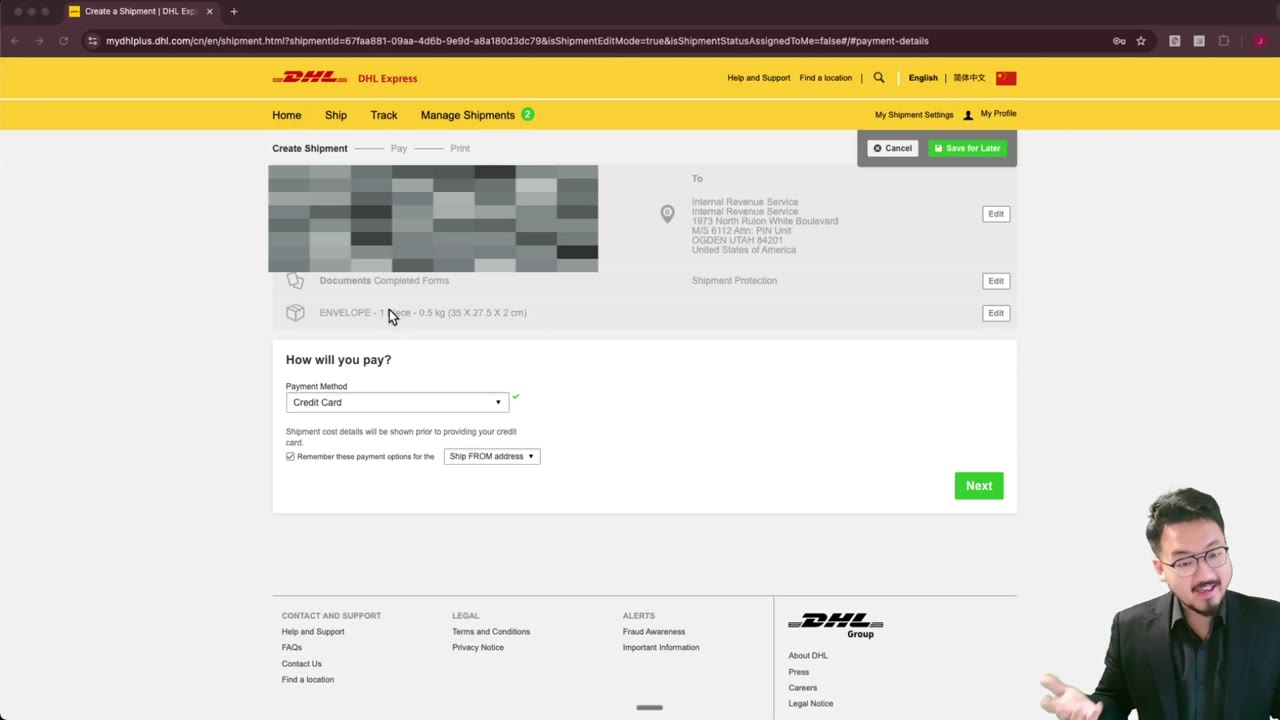
1:45DHL Express Payment Options: Credit Card vs Account Billing vs PayPal
 2:30
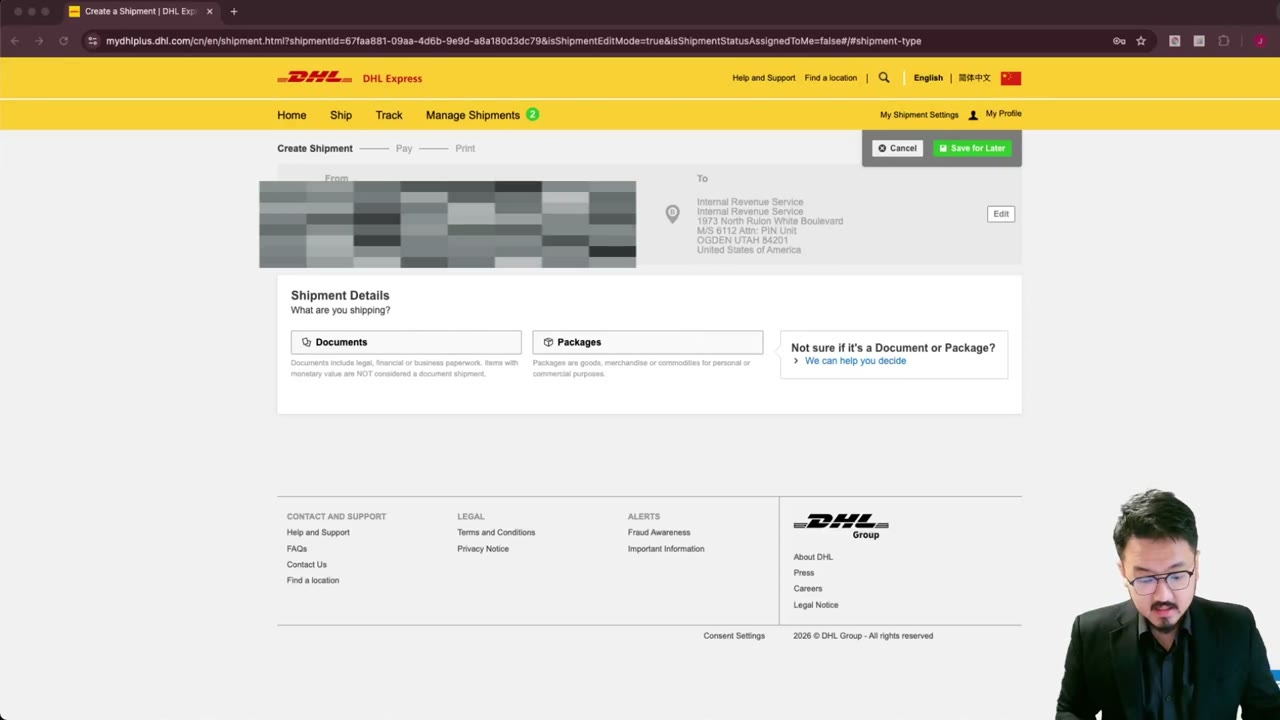
2:30DHL Express to IRS: Pick 'Documents' Shipment Type + Reference Field
 2:00
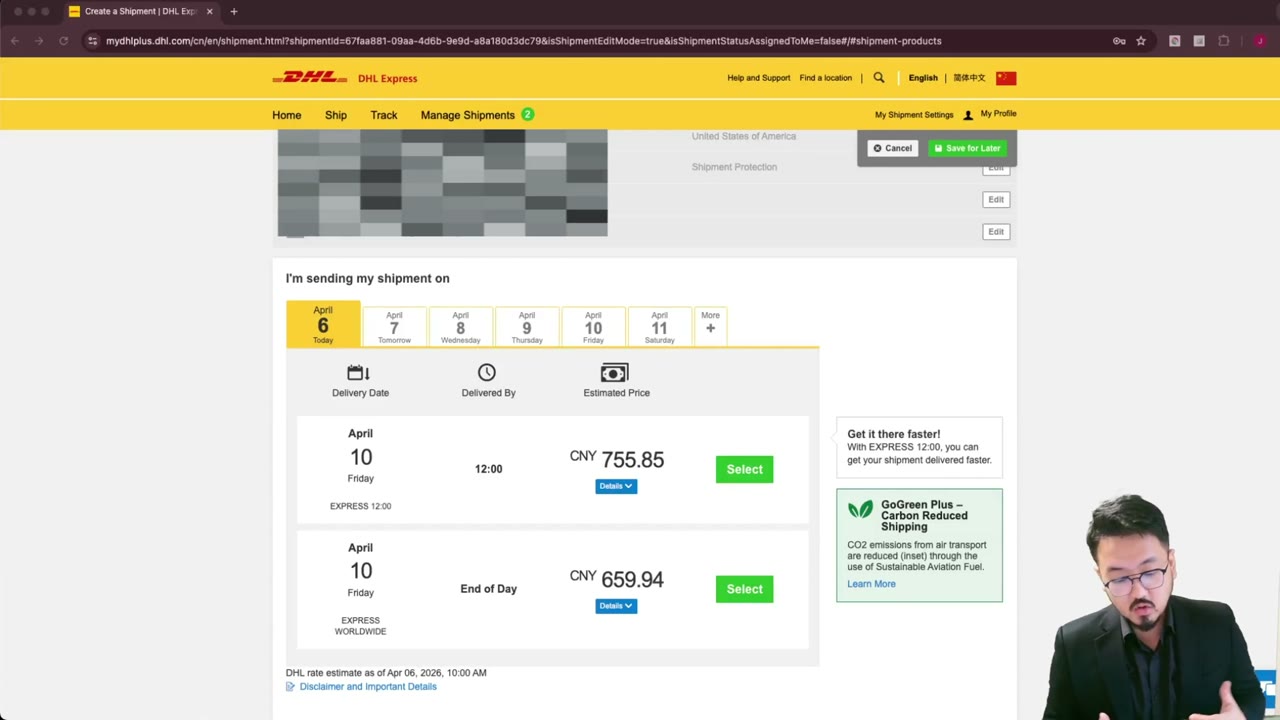
2:00DHL Express Service Tiers Compared for IRS Filings (Worldwide vs 12:00)
 2:00
2:00Schedule DHL Express Courier Pickup for IRS Tax Return Shipment
 1:30
1:30