Why Tax Filing Requirements Matter for Every U.S. Taxpayer

Key Takeaways
- Filing requirements depend on income, filing status, age, and dependency status
- Even if not required to file, you may want to — to claim refunds or refundable credits
- Penalties apply if you are required to file and fail to do so
- Income thresholds for filing are adjusted annually for inflation
Understanding Filing Requirements
Before you can file a tax return, you need to know whether you are required to file one in the first place. This determination depends on several factors: your income level, your filing status, your age, and whether someone can claim you as a dependent.
Understanding your filing requirements serves three purposes: avoiding unnecessary filing if you truly do not need to, avoiding penalties if you are required to file, and ensuring you claim refundable credits and refunds you may be entitled to.
Income Thresholds and Filing Status
The IRS sets minimum income thresholds that determine whether you must file a return. These thresholds vary based on your filing status (single, married filing jointly, head of household, etc.) and are adjusted annually for inflation. If your gross income exceeds the threshold for your filing status and age, you are generally required to file.
Even if your income falls below the threshold, you may still want to file — particularly if you are eligible for refundable tax credits like the Earned Income Tax Credit or if taxes were withheld from your paycheck and you are owed a refund.
Frequently Asked Questions
Do I have to file a tax return if I had no income?
Generally no. However, if taxes were withheld from any income or if you qualify for refundable credits, you should file to get your money back. Some credits, like the EITC, require a filed return to claim.
What happens if I should have filed but didn't?
The IRS can assess failure-to-file penalties (5% of unpaid tax per month, up to 25%) and failure-to-pay penalties. Interest also accrues on any unpaid balance. Filing late is always better than not filing at all.
Never miss an IRS deadline
Get free email reminders for Form 5472, state annual reports, quarterly estimated tax, and OBBBA rule changes — built for foreign-owned LLC owners. No spam. Unsubscribe anytime.
We respect your privacy. No spam, ever.
Need to file your foreign-owned LLC return?
Skip the CPA bill. Our guided wizard builds your IRS-ready filing package, step by step.
Includes its walkthrough video pack
Start filing →
Ask the AI tools, free
Tax Return Drafter, Catch-Up Planner, Form Reviewer, IRS Notice Decoder — purpose-built AI tools, no signup needed.
Free tier · BYOK Anthropic/OpenAI for power use
Browse tools →
Starting your foreign-owned LLC?
Vetted partners we use ourselves: doola & Firstbase for formation, Mercury for banking, Alohi for IRS faxing.
No-fluff recommendations, no Northwest
See partners →
More on Tax Basics & Filing Requirements
 3:15
3:15How to Find and Download IRS Forms, Publications, and Instructions
 1:49
1:49Standard Deduction vs Itemized Deduction: Quick Comparison
 7:17
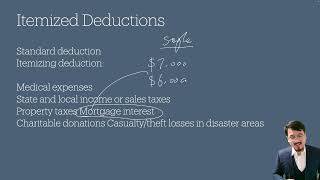
7:17Standard vs Itemized Deduction: Important Catches Part 1
 5:43
5:43Standard vs Itemized Deduction: Important Catches Part 2
 8:55
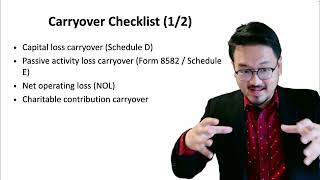
8:55Tax Carryovers You're Missing: Stop Overpaying on Your Return
 6:42
6:42