CP2000 Foreign Income Mismatch Guide for International Taxpayers (2025-2026)

How to approach this
A source-based path from understanding the rule to filing and recordkeeping.
Determine the requirement
Confirm whether and how the rule applies to you.
Identify the forms
Map the requirement to the specific IRS forms involved.
Prepare and file
Complete the forms accurately and submit on time.
Retain records
Keep documentation supporting every figure you report.
Key Takeaways
- A CP2000 is a proposed underreporting notice, not yet a final assessment.
- Taxpayers abroad generally get a 60-day response window for faster resolution under Topic No. 652.
- International notices often arise because information returns omit treaty, basis, or residency context.
- Form 1040-X is not always required at the first response stage.
A CP2000 is a proposed adjustment notice, not the end of the process
IRS Topic No. 652 says a CP2000 is a notice of underreported income and tells taxpayers to respond within 30 days, or 60 days if they live outside the United States, for quicker resolution. The IRS CP2000 page explains that the taxpayer should state whether they agree or disagree and provide supporting documents.
That matters because international taxpayers often freeze when the notice arrives. The notice is serious, but it is still part of a document-driven review process rather than the final word on the return.
International mismatches often come from information reporting that tells only part of the story
The IRS computer may see Form 1042-S, Form 1099, wage statements, or brokerage reports without seeing the treaty position, foreign tax credit limitation, basis schedule, or dual-status mechanics that explain the filed result. That is why cross-border taxpayers get CP2000 notices even when the underlying tax position is defensible.
A strong response packet usually shows how the notice item connects to the return as filed, rather than simply saying the taxpayer disagrees. The supporting schedule should walk the IRS from the third-party document to the final line on the return.
Amending is not the first automatic move
The IRS CP2000 guidance says taxpayers who agree with the notice and have no other income, credits, or expenses generally do not need to amend the return. If the notice is correct and there are other items to report, the IRS says to file Form 1040-X and write 'CP2000' on top.
So the first task is classification: agree, disagree, or agree in part. That decision should happen before reflexively preparing an amended return.
Frequently Asked Questions
How long do taxpayers outside the United States usually have to respond to a CP2000?
IRS Topic No. 652 says 60 days if the taxpayer lives outside the United States.
Do I always need to file Form 1040-X after getting a CP2000?
No. The IRS says an amended return is generally needed only if the notice is correct and you also have other income, credits, or expenses to report.
Why do international taxpayers get CP2000 notices when their return is actually defensible?
Because the notice often compares the return to third-party information forms without automatically seeing treaty positions, foreign tax credit limits, or dual-status schedules.
Listen on Spotify
Money & Tax Talk with Rippa — 5/5 rating
Need Help Filing?
Contact us with your situation and we'll point you to the right path
Never miss an IRS deadline
Get free email reminders for Form 5472, state annual reports, quarterly estimated tax, and OBBBA rule changes — built for foreign-owned LLC owners. No spam. Unsubscribe anytime.
We respect your privacy. No spam, ever.
Need to file your foreign-owned LLC return?
Skip the CPA bill. Our guided wizard builds your IRS-ready filing package, step by step.
Includes its walkthrough video pack
Start filing →
Ask the AI tools, free
Tax Return Drafter, Catch-Up Planner, Form Reviewer, IRS Notice Decoder — purpose-built AI tools, no signup needed.
Free tier · BYOK Anthropic/OpenAI for power use
Browse tools →
Starting your foreign-owned LLC?
Vetted partners we use ourselves: doola & Firstbase for formation, Mercury for banking, Alohi for IRS faxing.
No-fluff recommendations, no Northwest
See partners →
More on CP2000 Notices
CP2000 1042-S and Treaty Response Guide
CP2000 1042-S and Treaty Response Guide (2025-2026)
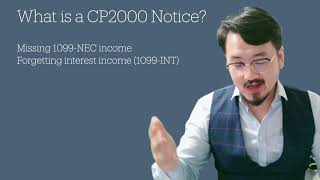 7:18
7:18CP2000 Notice Explained: Why the IRS Sends It and What It Means
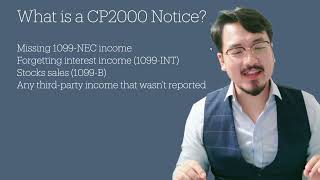 1:48
1:48Responding to a CP2000 Notice: Step-by-Step Guide
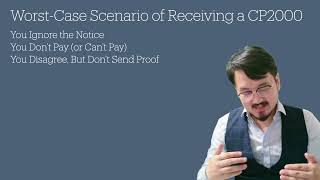 10:10
10:10Worst-Case CP2000 Scenario: What Happens If You Ignore It
Affiliate Commission Income Through a Foreign-Owned LLC
Affiliate Commission Income Through a Foreign-Owned LLC (2025-2026)
Twitch Streaming Income Through a Foreign-Owned LLC