Essential IRS Forms and Due Dates Quick Reference Guide

Key Takeaways
- Form 1040 (individual) is due April 15 for calendar-year taxpayers
- Self-employment tax (Schedule SE) is filed with your 1040, not separately
- Estimated taxes (1040-ES) are due quarterly: Apr 15, Jun 15, Sep 15, Jan 15
- Partnerships (1065) and S-Corps (1120-S) file by March 15
- C-Corporations (1120) file by April 15
Income Tax: Form 1040
The most common tax form is Form 1040, the individual income tax return. This is what sole proprietors, freelancers, employees, and most individual taxpayers file. The deadline follows a simple formula: it is due on the 15th day of the 4th month after your tax year ends. Since most taxpayers use the calendar year (ending December 31), this means April 15 of the following year.
Self-Employment and Estimated Taxes
Self-employed individuals owe both income tax and self-employment tax (Social Security and Medicare contributions). Self-employment tax is reported on Schedule SE and filed with your Form 1040 — not separately. If you expect to owe more than $1,000 in taxes for the year, you must also make quarterly estimated tax payments using Form 1040-ES. These quarterly payments are due on April 15, June 15, September 15, and January 15 of the following year.
Business Entity Returns
Partnerships file Form 1065 and S-Corporations file Form 1120-S. Both are due on the 15th day of the 3rd month after the tax year ends (March 15 for calendar-year entities). C-Corporations file Form 1120, due on the 15th day of the 4th month (April 15 for calendar-year entities).
Employers must file Form 941 quarterly for payroll tax reporting. If your business has employees, you are responsible for withholding and reporting Social Security, Medicare, and income tax withholding.
Frequently Asked Questions
What if the due date falls on a weekend or holiday?
If the due date falls on a Saturday, Sunday, or legal holiday, the deadline moves to the next business day.
Can I get an extension to file?
Yes. Filing Form 4868 gives individuals an automatic 6-month extension (to October 15). However, this is an extension to file, not to pay — any taxes owed are still due by April 15.
Never miss an IRS deadline
Get free email reminders for Form 5472, state annual reports, quarterly estimated tax, and OBBBA rule changes — built for foreign-owned LLC owners. No spam. Unsubscribe anytime.
We respect your privacy. No spam, ever.
Need to file your foreign-owned LLC return?
Skip the CPA bill. Our guided wizard builds your IRS-ready filing package, step by step.
Includes its walkthrough video pack
Start filing →
Ask the AI tools, free
Tax Return Drafter, Catch-Up Planner, Form Reviewer, IRS Notice Decoder — purpose-built AI tools, no signup needed.
Free tier · BYOK Anthropic/OpenAI for power use
Browse tools →
Starting your foreign-owned LLC?
Vetted partners we use ourselves: doola & Firstbase for formation, Mercury for banking, Alohi for IRS faxing.
No-fluff recommendations, no Northwest
See partners →
More on Tax Basics & Filing Requirements
 1:49
1:49Standard Deduction vs Itemized Deduction: Quick Comparison
 8:12
8:12Tax Return vs Information Return: Key Differences Explained
 3:15
3:15How to Find and Download IRS Forms, Publications, and Instructions
 1:39
1:39Why Tax Filing Requirements Matter for Every U.S. Taxpayer
 7:17
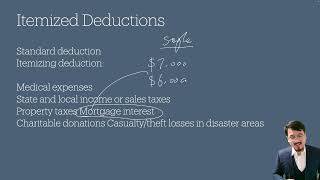
7:17Standard vs Itemized Deduction: Important Catches Part 1
 5:43
5:43