Filing Status When Spouse Passes Away: IRS Rules for Year of Death

Key Takeaways
- Marital status on December 31 determines filing status for the entire year
- Getting married at any point in the year allows MFJ for the full year
- A spouse's death during the year still allows filing jointly for that year
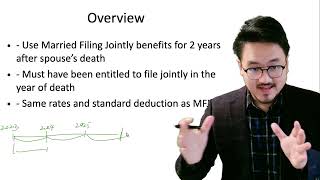
- QSS status is available for the two years after the year of death
- The date of marriage or death does not prorate the tax benefits
Marriage Timing and Filing Status
Your marital status on December 31 determines your filing status for the entire year. If you got married on March 1, you are considered married for the full tax year. If you got married on December 31, you are still considered married for the entire year. The IRS only checks your status on the last day of the tax year.
This means even a last-minute marriage (literally December 31) allows you to file MFJ for the entire tax year, combining both spouses' income and claiming all joint deductions and credits as if you were married all year.
When a Spouse Passes Away During the Year
If your spouse passed away during the tax year, the IRS still considers you married for that year. You can file a joint return for the year of death, reporting the deceased spouse's income through the date of death and your income for the full year.
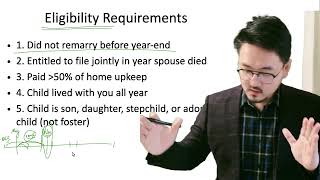
This is often the most advantageous filing option because MFJ provides the widest tax brackets and highest standard deduction. In the two years following the year of death, you may qualify for Qualifying Surviving Spouse status if you meet the eligibility requirements.
Frequently Asked Questions
If my spouse died January 2, can I file jointly?
Yes. Your spouse was alive during the tax year, so you can file a joint return for that year. The amount of time married during the year does not matter.
Who signs the return if my spouse has passed away?
The surviving spouse signs the return and writes 'Filing as surviving spouse' in the signature area for the deceased spouse. An executor or personal representative may also sign on behalf of the deceased.
Never miss an IRS deadline
Get free email reminders for Form 5472, state annual reports, quarterly estimated tax, and OBBBA rule changes — built for foreign-owned LLC owners. No spam. Unsubscribe anytime.
We respect your privacy. No spam, ever.
Need to file your foreign-owned LLC return?
Skip the CPA bill. Our guided wizard builds your IRS-ready filing package, step by step.
Includes its walkthrough video pack
Start filing →
Ask the AI tools, free
Tax Return Drafter, Catch-Up Planner, Form Reviewer, IRS Notice Decoder — purpose-built AI tools, no signup needed.
Free tier · BYOK Anthropic/OpenAI for power use
Browse tools →
Starting your foreign-owned LLC?
Vetted partners we use ourselves: doola & Firstbase for formation, Mercury for banking, Alohi for IRS faxing.
No-fluff recommendations, no Northwest
See partners →
More on Filing Status Guide
 4:23
4:23Same-Sex Spouse Filing Status: IRS Rules for Married Couples
 4:08
4:08Married Filing Jointly with Non-Resident Alien Spouse: MFJ Qualification Rules
 6:13
6:13Qualifying Surviving Spouse: Child's Survivor Benefits Rules (Part 5)
 13:17
13:17Qualifying Surviving Spouse: Rent from Family Members Rules (Part 6)
 5:21
5:21Form 1040 Filing Status: Qualifying Surviving Spouse Explained
 6:05
6:05