W-8BEN vs W-8BEN-E for Google: The Disregarded-LLC Rule

Key Takeaways
- The W-8BEN framework applies across all Google monetization products (YouTube, AdSense, AdMob)
- W-8BEN is generally for a foreign individual beneficial owner; W-8BEN-E is generally for a foreign entity beneficial owner
- A disregarded U.S. LLC generally looks through to its owner even when the Google account displays the LLC name
- Google's questionnaire is an onboarding tool; verify the generated certification before signing it
- Claim treaty benefits only after confirming residence, income article, eligibility, and the current treaty rate
- Use Foreign TIN (your home country's tax number) for the identifier field, not SSN — SSN is U.S.-only and triggers rejection
From U.S.-Source Income to Withholding Tax
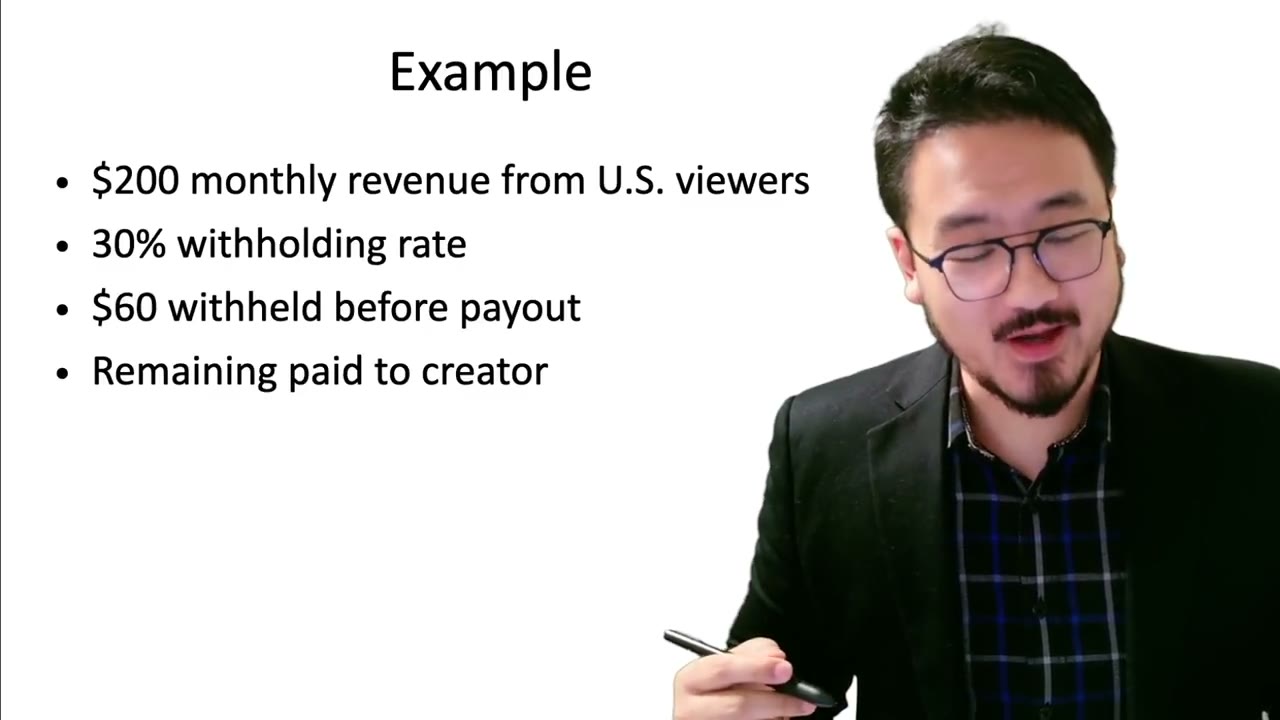
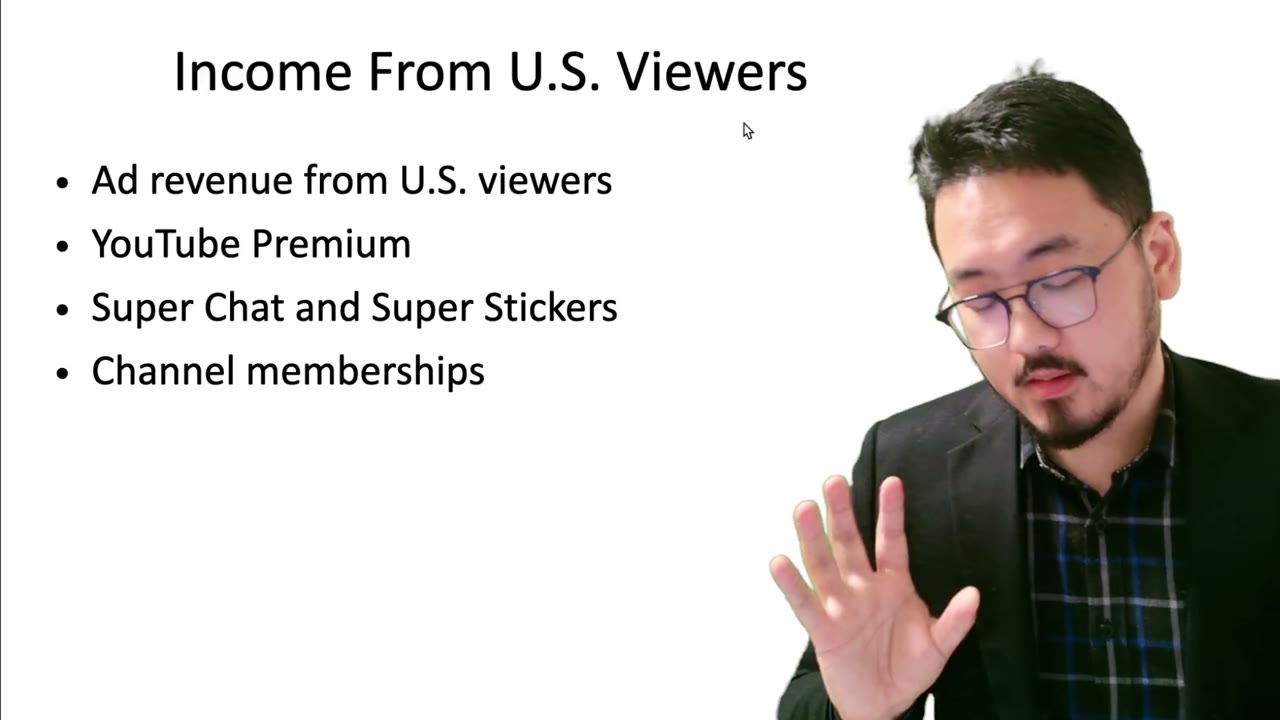
The first concept (covered in the prior video) was that revenue from U.S. viewers is U.S.-source income. The second concept layered on top is withholding tax: when Google doesn't know your tax status, they don't just leave the income alone — they withhold a higher percentage of it, sometimes treating all of it as U.S.-source. This is the punitive default that exists to force creators to submit paperwork.
Why This Matters Across AdSense, AdMob, and Beyond
The same withholding framework applies whether you're earning through YouTube partnership, AdSense on a website, AdMob in a mobile app, or any other Google monetization product. They all share the same W-8BEN flow. Even creators who don't think of themselves as "using AdSense" usually are — the YouTube Partner Program is built on AdSense infrastructure under the hood.
So the rule "submit a W-8BEN to Google" applies to almost any non-U.S. person monetizing through Google's ad network, regardless of which product surface you interact with.
Which Form: W-8BEN vs. W-8BEN-E
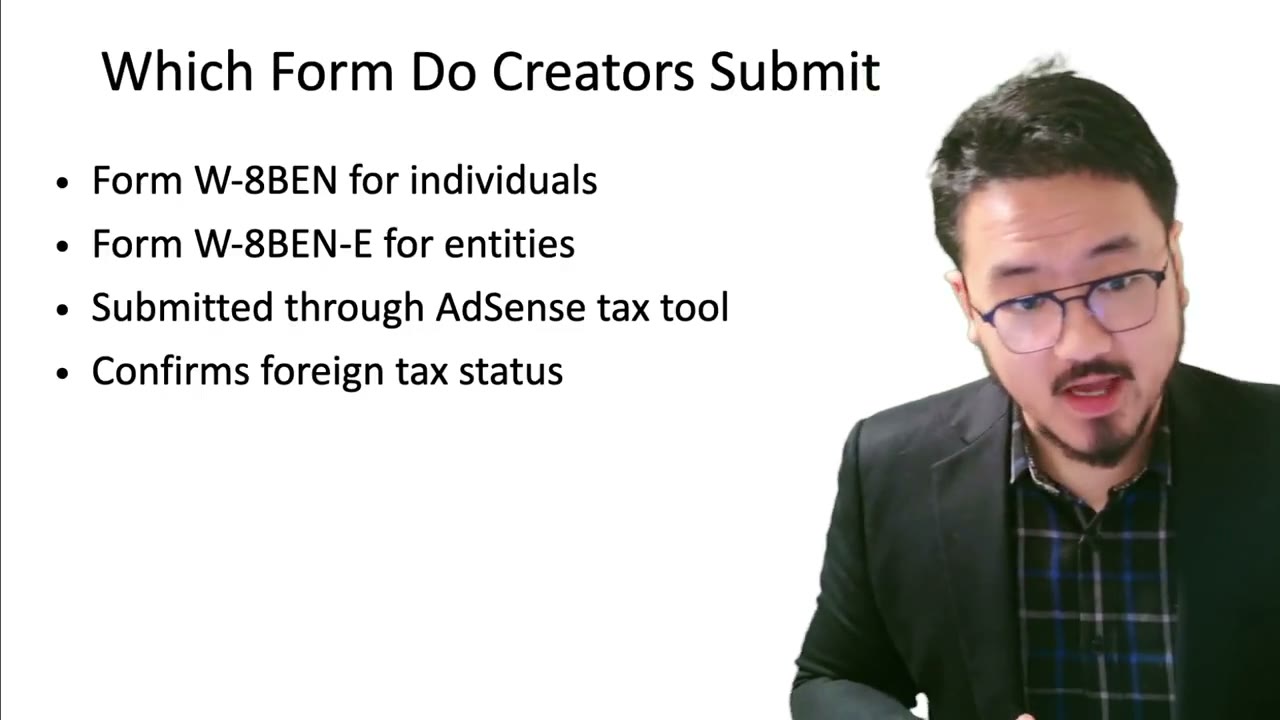
The beneficial owner and U.S. tax classification—not the letters "LLC" on the account—drive the W-8 form. A foreign individual beneficial owner generally uses W-8BEN. A foreign corporation or other eligible foreign entity beneficial owner generally uses W-8BEN-E.
A domestic single-member LLC that is disregarded for U.S. tax purposes generally does not submit W-8BEN-E as the beneficial owner. The IRS instructions say its single owner provides the appropriate documentation, even if the platform account or bank account shows the LLC name. A foreign individual owner therefore generally uses W-8BEN; a foreign entity owner generally uses W-8BEN-E. Hybrid treaty claims, ECI, partnerships, intermediaries, and certain Chapter 4 or GIIN cases can require a different result.
Google's Onboarding Walks You Through It
Google normally collects U.S. tax information through a questionnaire and generates a withholding certificate for review. The workflow can reduce clerical errors, but it cannot determine the U.S. tax classification or beneficial owner for you. Read the generated certification before signing it and confirm that the name, owner type, residence, income type, foreign TIN, and treaty claim match the facts.
Disregarded-entity cases are a common source of mismatch because a platform's "business" account label is not the same thing as an entity beneficial owner under the IRS instructions. If the generated form documents the U.S. LLC rather than its foreign owner, or treats an individual owner as an entity, stop and resolve the onboarding classification rather than relying on the questionnaire as tax advice.
Where to Find the Tax Section in AdSense
In Google AdSense, the tax form lives under Payments → Manage Settings → United States Tax Information. There's an onboarding step labeled "verify your tax identity." Click it and Google walks you through the questionnaire. The interface evolves over time, but the path always starts at Payments — that's where Google asks for financial and tax information, since they can't pay you without it.
Treaty Benefits Get Offered Inside the Questionnaire
Google may offer a treaty-benefit claim during onboarding. Claim it only if the beneficial owner is a resident of an in-force treaty country, the payment falls within the relevant article, and all eligibility conditions are satisfied. The correct rate can depend on whether the income is a copyright royalty, other royalty, service payment, or another category; an LLC or foreign residence by itself does not establish eligibility.
Keep the treaty article and current IRS treaty table with the signed certificate. If the payee is a disregarded LLC, the treaty claim normally belongs to the foreign owner unless the LLC is a hybrid entity that is itself eligible to claim benefits. Do not treat the platform's offered rate as a legal conclusion.
Foreign TIN vs. SSN vs. ITIN
The form asks for a tax identification number. The dropdown gives three options: Foreign TIN (your home country's tax number), SSN (Social Security Number, U.S. only), or ITIN (Individual Taxpayer Identification Number, for foreigners who file U.S. tax returns).
For most foreign creators, the answer is Foreign TIN. If you ever filed a U.S. tax return as a non-resident and got an ITIN, you can use that too. SSN is only for U.S. persons — if you accidentally enter an SSN, Google's system may reject the form because it doesn't match your stated foreign status. Pay attention to which field you use; the U.S. vs. foreign distinction drives the entire withholding calculation.
Frequently Asked Questions
What if I started as an individual on AdSense and later formed an LLC?
Update the contract, payout, and platform profile as required, but do not assume the new LLC changes the beneficial owner. If it is a disregarded single-member LLC, the owner generally continues to provide the appropriate owner-level W-8; a corporate election or different owner can change the answer.
What happens if I pick the wrong form (e.g., W-8BEN-E when I'm an individual)?
Google's system rejects it during onboarding because the answers in the questionnaire don't match the form. Use the questionnaire and don't try to bypass it.
Do I need to refill the W-8BEN periodically?
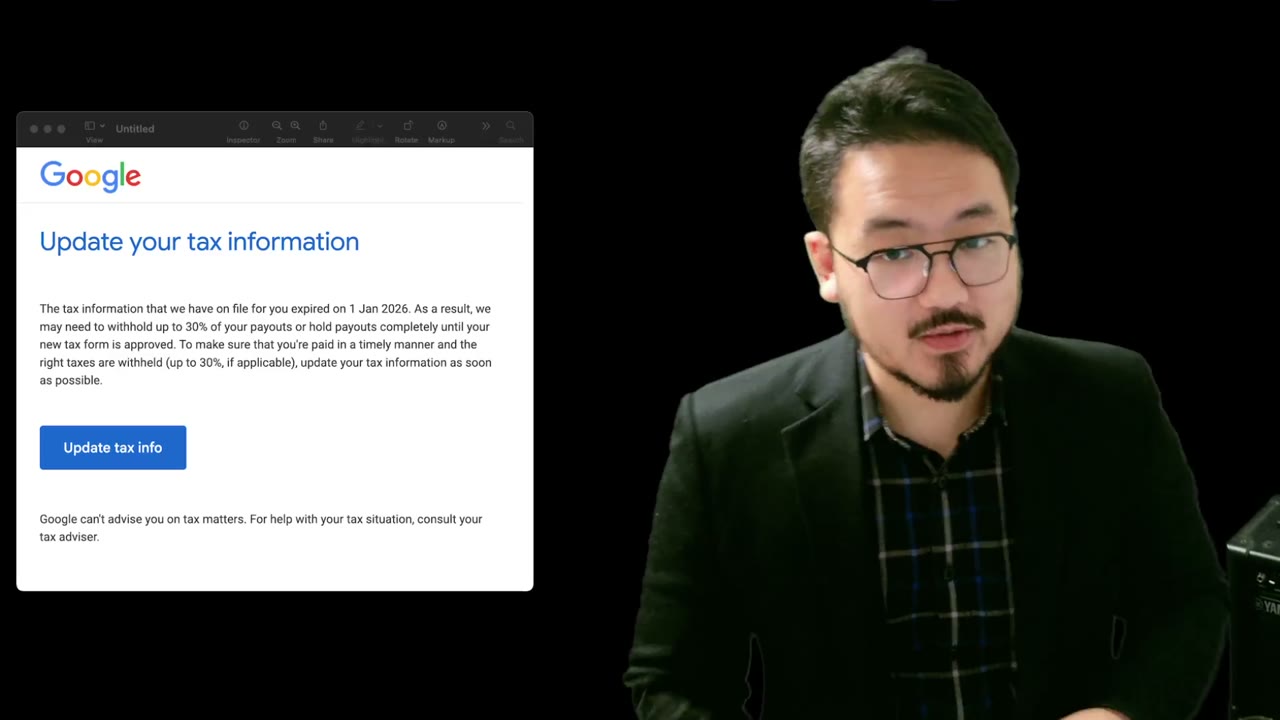
Yes. W-8BEN expires after 3 calendar years (the year of signing plus 3). Google will email you a reminder before expiration. Refill it within the grace period to avoid reverting to the 30% default rate.
Never miss an IRS deadline
Get free email reminders for Form 5472, state annual reports, quarterly estimated tax, and OBBBA rule changes — built for foreign-owned LLC owners. No spam. Unsubscribe anytime.
We respect your privacy. No spam, ever.
Need to file your foreign-owned LLC return?
Skip the CPA bill. Our guided wizard builds your IRS-ready filing package, step by step.
Includes its walkthrough video pack
Start filing →
Ask the AI tools, free
Tax Return Drafter, Catch-Up Planner, Form Reviewer, IRS Notice Decoder — purpose-built AI tools, no signup needed.
Free tier · BYOK Anthropic/OpenAI for power use
Browse tools →
Starting your foreign-owned LLC?
Vetted partners we use ourselves: doola & Firstbase for formation, Mercury for banking, Alohi for IRS faxing.
No-fluff recommendations, no Northwest
See partners →
More on Foreign Income Reporting
Beneficial Owner and Disregarded Entity Rules on W-8 Forms
Beneficial Owner and Disregarded Entity Rules on W-8 Forms (2025-2026)
 1:55
1:55Form W-8BEN Treaty Rates: 0% to 30% Withholding by Country
 3:27
3:27Form W-8BEN for YouTube and AdSense: Why Google Asks for Tax Information
 3:35
3:35Form W-8BEN: Why Skipping It Triggers 24% Withholding on Your GLOBAL Revenue
 5:42
5:42FBAR Guide: FinCEN Report 114 for Foreign Bank Account Reporting
 1:42
1:42