Alternative Minimum Tax (AMT) Explained Simply

Key Takeaways
- AMT is a parallel tax system ensuring high-income taxpayers pay a minimum level of tax
- You calculate tax under both regular and AMT systems — you pay whichever is higher
- Common AMT triggers: incentive stock options (ISOs), accelerated depreciation, private activity bonds
- The TCJA significantly increased the AMT exemption, reducing the number of affected taxpayers
- AMT paid may generate credits (Form 8801) that can be used in future years
The Alternative Minimum Tax Explained
The Alternative Minimum Tax (AMT) is a separate, parallel tax system created by Congress to ensure that high-income taxpayers pay a minimum amount of tax regardless of how many deductions and credits they claim under the regular tax system.
When you file your taxes, you essentially calculate your tax liability twice — once under the regular system and once under the AMT system. If the AMT calculation results in a higher tax, you pay the AMT amount. Think of it as a backstop that prevents wealthy taxpayers from using excessive deductions to eliminate their tax liability entirely.
How AMT Is Calculated
The AMT calculation starts with your regular taxable income, then adds back certain deductions and preferences that are not allowed under the AMT system. These include state and local tax deductions (SALT), certain miscellaneous deductions, and the spread on exercised incentive stock options (ISOs).
After adding back these items, an AMT exemption amount is subtracted (this exemption phases out at higher income levels). The remaining amount is taxed at AMT rates (26% and 28%), and if this AMT tax exceeds your regular tax, you pay the difference as additional tax.
Who Is Affected by AMT?
Since the Tax Cuts and Jobs Act significantly increased the AMT exemption amount, far fewer taxpayers are affected. However, AMT can still apply to high-income earners who exercise incentive stock options, have large amounts of accelerated depreciation, hold private activity bonds, or have substantial state and local tax deductions.
If you think you might be subject to AMT, it is important to plan ahead. Timing of ISO exercises, depreciation methods, and investment decisions can all impact your AMT liability.
Frequently Asked Questions
Can I get back AMT I paid in previous years?
Yes, in some cases. If AMT was triggered by timing items (like ISOs), you may be able to claim the AMT credit in future years when those timing differences reverse. The AMT credit is calculated on Form 8801 and can reduce your regular tax in future years.
Does AMT apply to businesses?
The corporate AMT was repealed by the Tax Cuts and Jobs Act for tax years beginning after 2017. However, the Inflation Reduction Act of 2022 introduced a new 15% corporate alternative minimum tax for corporations with average annual financial statement income exceeding $1 billion.
Never miss an IRS deadline
Get free email reminders for Form 5472, state annual reports, quarterly estimated tax, and OBBBA rule changes — built for foreign-owned LLC owners. No spam. Unsubscribe anytime.
We respect your privacy. No spam, ever.
Need to file your foreign-owned LLC return?
Skip the CPA bill. Our guided wizard builds your IRS-ready filing package, step by step.
Includes its walkthrough video pack
Start filing →
Ask the AI tools, free
Tax Return Drafter, Catch-Up Planner, Form Reviewer, IRS Notice Decoder — purpose-built AI tools, no signup needed.
Free tier · BYOK Anthropic/OpenAI for power use
Browse tools →
Starting your foreign-owned LLC?
Vetted partners we use ourselves: doola & Firstbase for formation, Mercury for banking, Alohi for IRS faxing.
No-fluff recommendations, no Northwest
See partners →
More on Alternative Minimum Tax (AMT)
 3:55
3:55Why the Alternative Minimum Tax Exists: A Brief History
 5:18
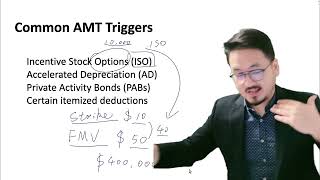
5:18ISO and AMT: How Incentive Stock Options Trigger AMT
 4:44
4:44Accelerated Depreciation and AMT: Common AMT Trigger
 4:08
4:08Private Activity Bonds and AMT: What Investors Need to Know
 5:33
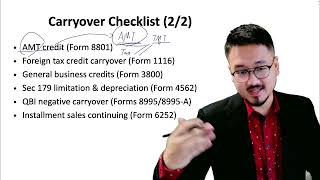
5:33AMT Credit Carryforward: Recovering Alternative Minimum Tax Paid
AMT Foreign Tax Credit and Form 8801 Guide