ISO and AMT: How Incentive Stock Options Trigger AMT

Key Takeaways
- The ISO 'spread' (FMV minus strike price at exercise) triggers AMT adjustments
- Regular tax system does not tax ISOs at exercise; AMT system does
- Can create substantial AMT liability without any cash received
- Timing of ISO exercises is critical for AMT planning
- AMT paid due to ISOs may generate AMT credits recoverable in future years (Form 8801)
How Incentive Stock Options Trigger AMT
Incentive Stock Options (ISOs) are one of the most common AMT triggers. When you exercise an ISO — meaning you purchase company stock at the option's strike price — the difference between the fair market value at exercise and the strike price (called the 'spread' or 'bargain element') is not taxed under the regular tax system at the time of exercise.
However, under the AMT system, this spread IS included as income. This creates a difference between your regular tax and AMT calculations, potentially triggering AMT.
Practical Example
Suppose you have ISOs with a strike price of $10 per share, and the fair market value when you exercise is $50 per share. The spread is $40 per share. If you exercise 1,000 shares, the AMT adjustment is $40,000. This $40,000 is added to your income for AMT purposes — even though you have not sold the shares or received any cash.
This can create a significant AMT liability, which is why timing of ISO exercises requires careful tax planning.
Frequently Asked Questions
Can I avoid AMT on ISOs?
You can minimize AMT impact by exercising ISOs strategically — spreading exercises across multiple years, exercising only enough shares to stay below the AMT threshold, or timing exercises for years when other AMT adjustments are low.
Do I get the AMT back?
Potentially yes. AMT paid due to ISO exercises creates a minimum tax credit that can be carried forward indefinitely. In future years when your regular tax exceeds your tentative minimum tax, you can use this credit to reduce your regular tax.
Never miss an IRS deadline
Get free email reminders for Form 5472, state annual reports, quarterly estimated tax, and OBBBA rule changes — built for foreign-owned LLC owners. No spam. Unsubscribe anytime.
We respect your privacy. No spam, ever.
Need to file your foreign-owned LLC return?
Skip the CPA bill. Our guided wizard builds your IRS-ready filing package, step by step.
Includes its walkthrough video pack
Start filing →
Ask the AI tools, free
Tax Return Drafter, Catch-Up Planner, Form Reviewer, IRS Notice Decoder — purpose-built AI tools, no signup needed.
Free tier · BYOK Anthropic/OpenAI for power use
Browse tools →
Starting your foreign-owned LLC?
Vetted partners we use ourselves: doola & Firstbase for formation, Mercury for banking, Alohi for IRS faxing.
No-fluff recommendations, no Northwest
See partners →
More on Alternative Minimum Tax (AMT)
 4:44
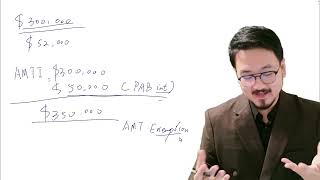
4:44Accelerated Depreciation and AMT: Common AMT Trigger
 4:08
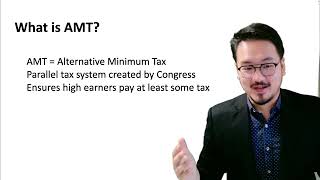
4:08Private Activity Bonds and AMT: What Investors Need to Know
 4:22
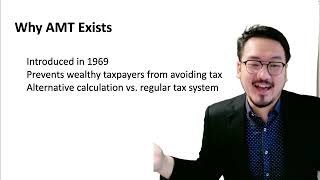
4:22Alternative Minimum Tax (AMT) Explained Simply
 3:55
3:55Why the Alternative Minimum Tax Exists: A Brief History
 5:33
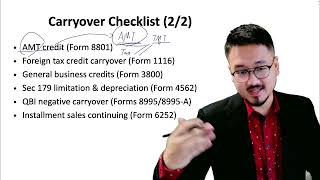
5:33AMT Credit Carryforward: Recovering Alternative Minimum Tax Paid
AMT Foreign Tax Credit and Form 8801 Guide